Vision
To create a world where factories reconfigure themselves to build any product, autonomously adapting to new designs, processes, and industries.
Making every robot adaptable and every product limitless. One intelligence layer, any machine.
Every answer is the same: the world varies, and robots do not.
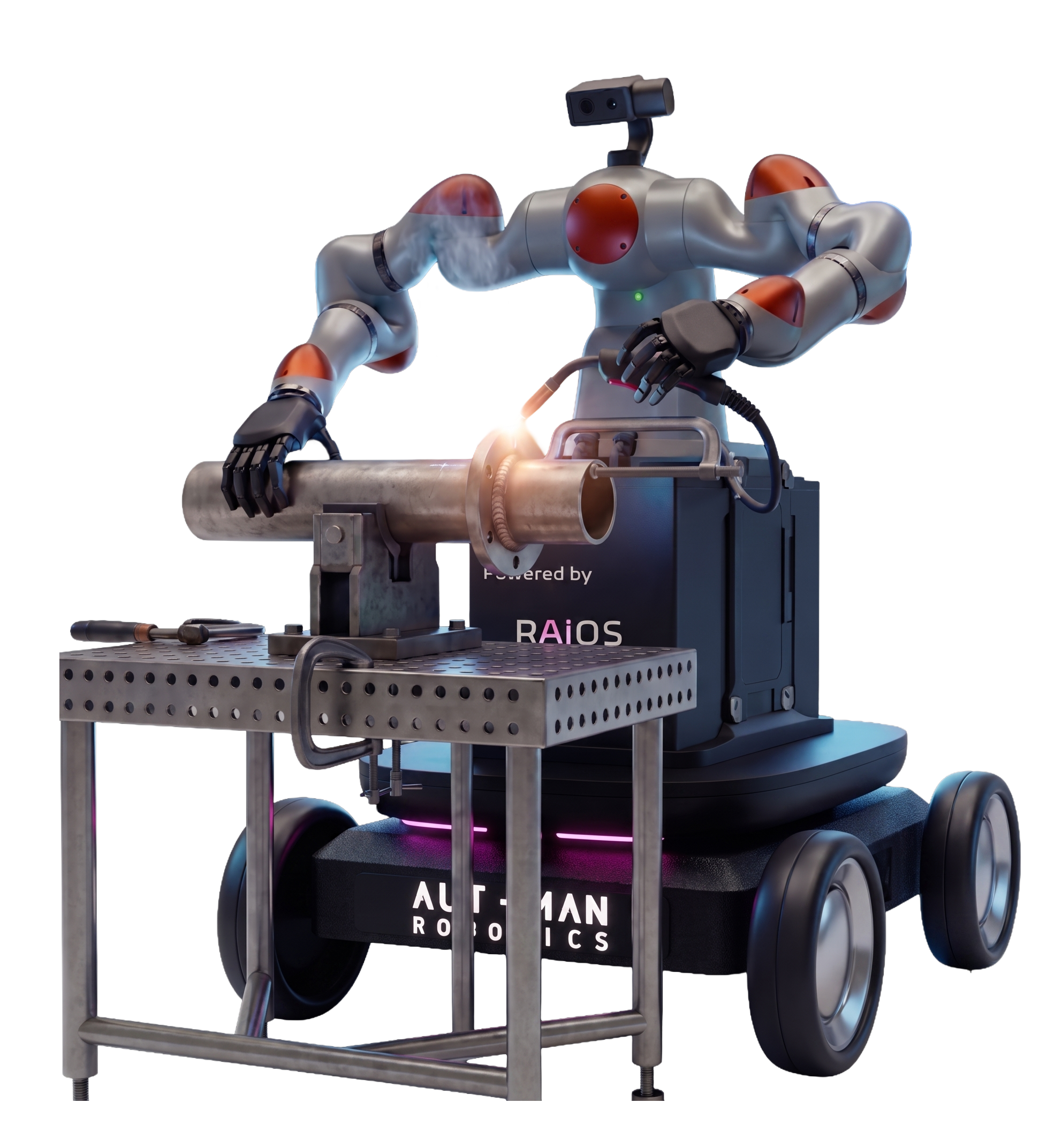
A complete Physical AI stack that enables industrial robots to see, feel, reason and adapt to the real world.
Vision, touch, reasoning and control unified into one system that enables industrial robots to operate through real-world variation.
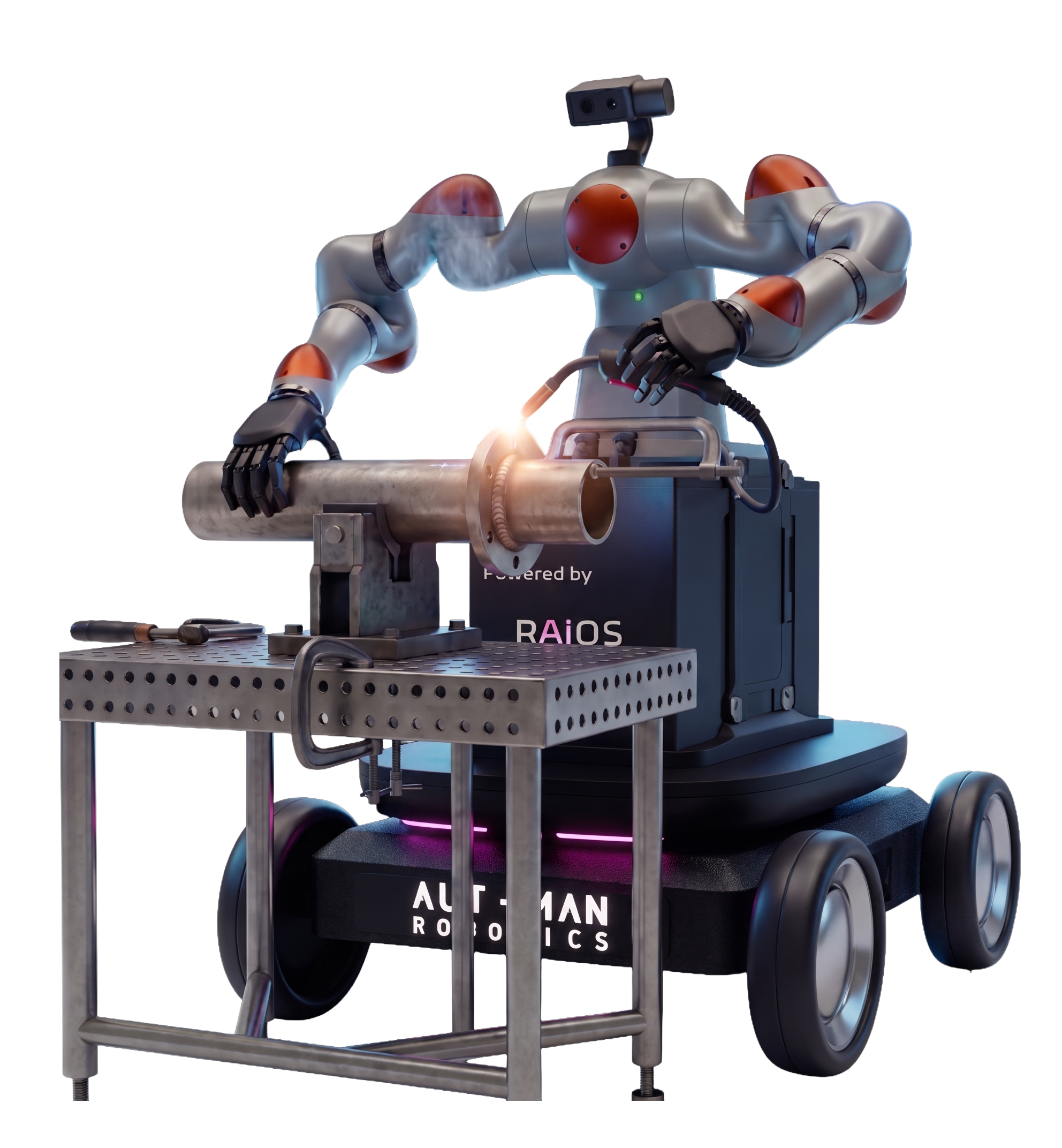
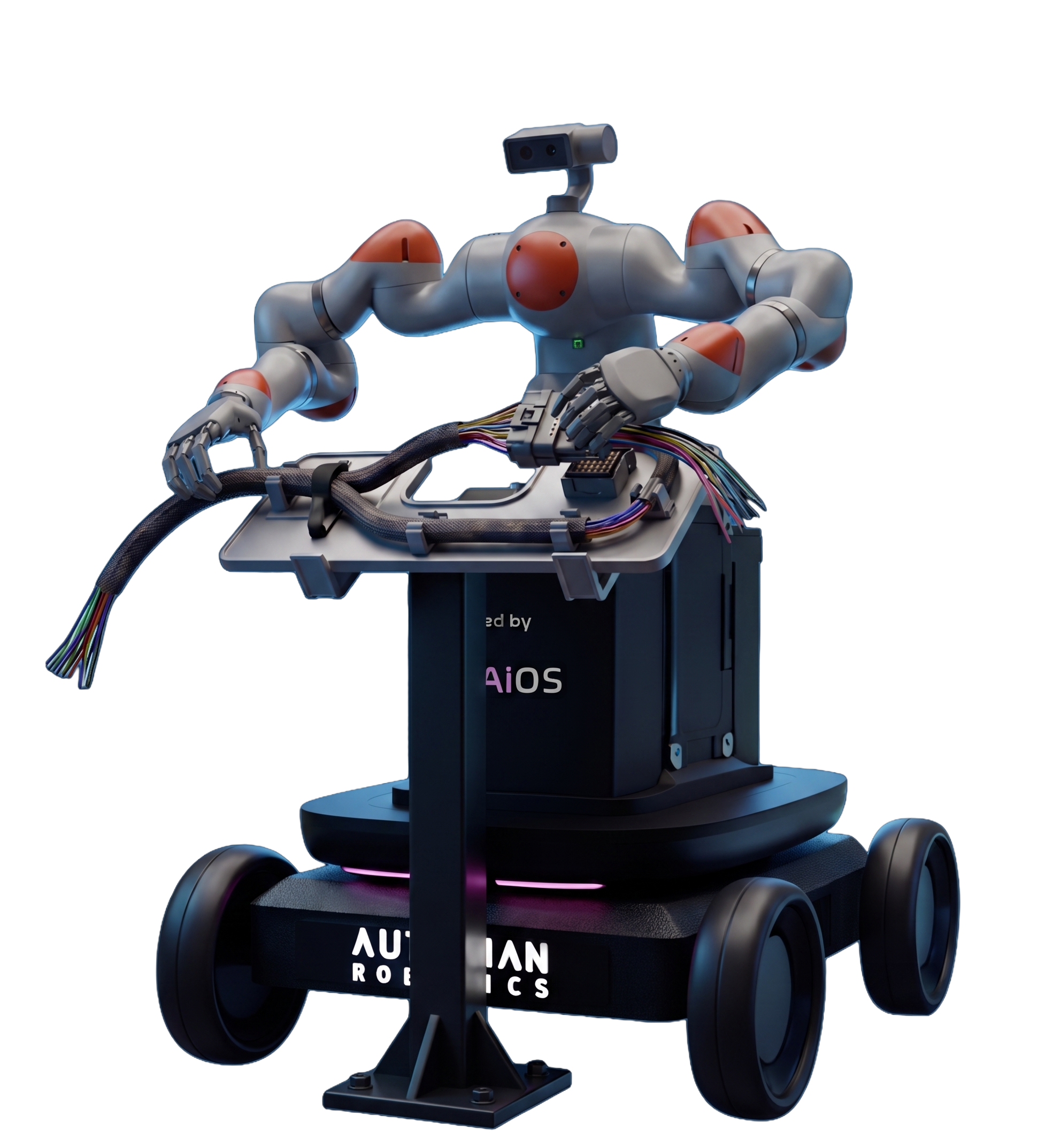
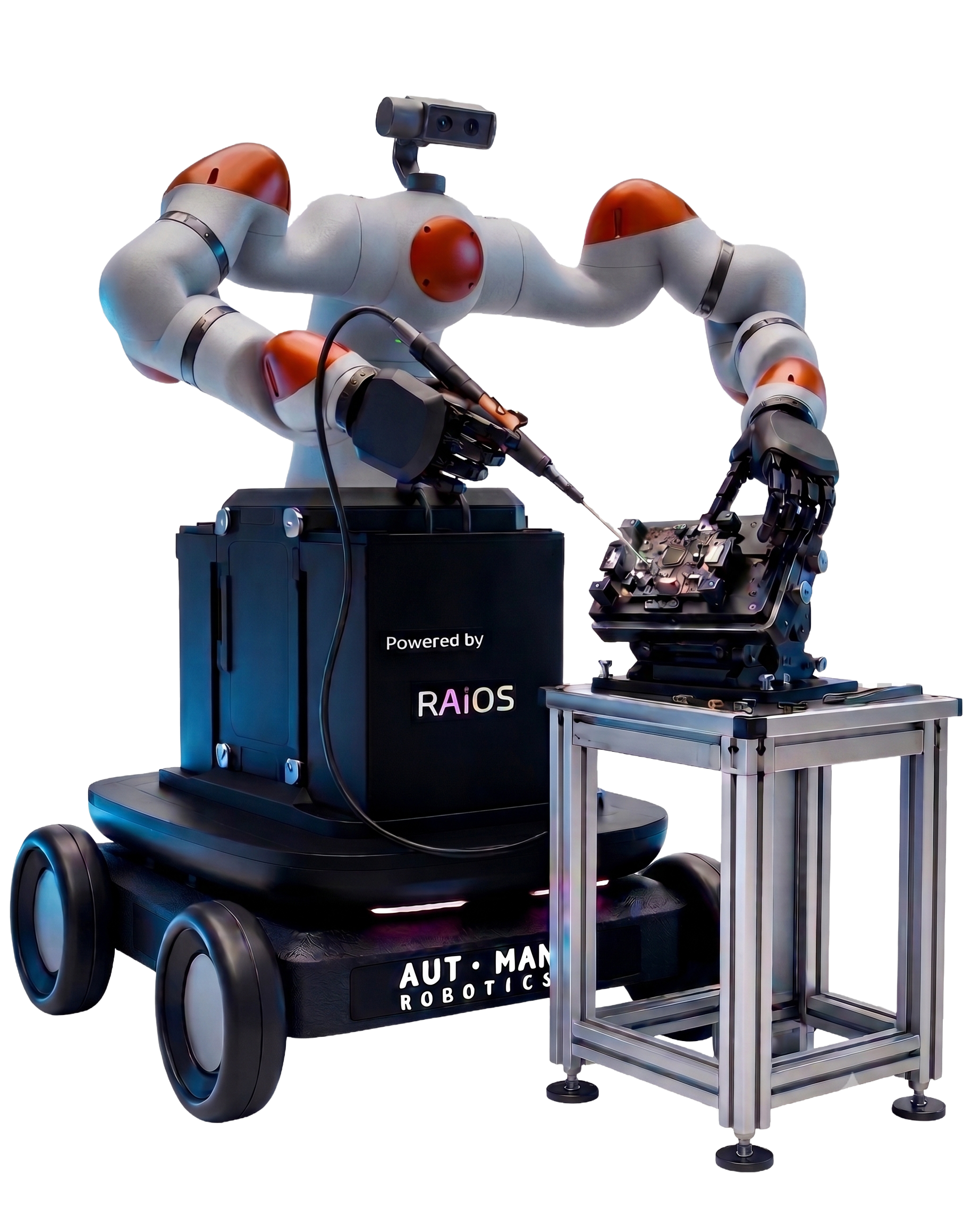
RAiOS unifies perception and touch into real-time decision making, enabling robots to continuously interpret, learn, and adapt as every task unfolds.
New products. New processes. New tasks. Without rebuilding automation from the ground up.
Manufacturing is becoming increasingly dynamic, while automation remains largely rigid. Our work is driven by a simple goal: enable robots to operate with the flexibility required for real-world production.
Every system we build, every experiment we run, and every deployment we undertake moves us closer to that future.
To create a world where factories reconfigure themselves to build any product, autonomously adapting to new designs, processes, and industries.
Building the physical intelligence that enables machines to perceive, understand, reason, and manipulate the physical world..
Autman began through research and ideation at the University of Birmingham, driven by a fundamental question: what would it take for robots to perceive, adapt, and work with the physical world more like skilled human operators?
Following extensive engagement with manufacturers, robotics experts, and researchers, Autman was founded to translate advanced robotics research into deployable industrial technology.
Selected as one of the UK's Top 16 AI startups through AI Forge, providing early validation of Autman's vision and technological direction.
Established the RAiOS Lab, creating a dedicated environment for advancing Autman's robotics intelligence architecture and Physical AI research.
Developed Version 0, Autman's first integrated Physical AI platform, bringing perception, intelligence, and adaptive robotic control together within a unified system.
Secured investment from SFC Capital, enabling the next phase of product development, industrial validation, and company growth.
Validated Version 0 in a live manufacturing environment at Janatics, demonstrating adaptive inspection under real production conditions.
Signed a strategic collaboration with KUKA to evaluate Autman's technology across multiple industrial robot platforms, advancing the path toward scalable deployment.
Autman is advancing Version 1, expanding industrial validation, and building the partnerships required to bring adaptable Physical AI into factories at scale.
We are a multidisciplinary team of engineers, researchers, and innovators building foundational technologies for Physical AI. Every challenge we solve brings robots one step closer to understanding, adapting to, and interacting with the physical world.
Collaborating with industry leaders to deploy the next generation of physical intelligence.


We are always looking for exceptional innovators, roboticists, and neuroengineers ready to build the physical intelligence behind the next generation of machines. .
Don’t see a role matching your exact specifications? Send us your deatails, resume and a description of the foundational challenges you want to solve.
Submit Application →In our latest demonstration, a KUKA industrial robot and a Doosan collaborative robot work together to perform a medical blood-bag assembly task. This is far more complex than it looks...
Read Full Post →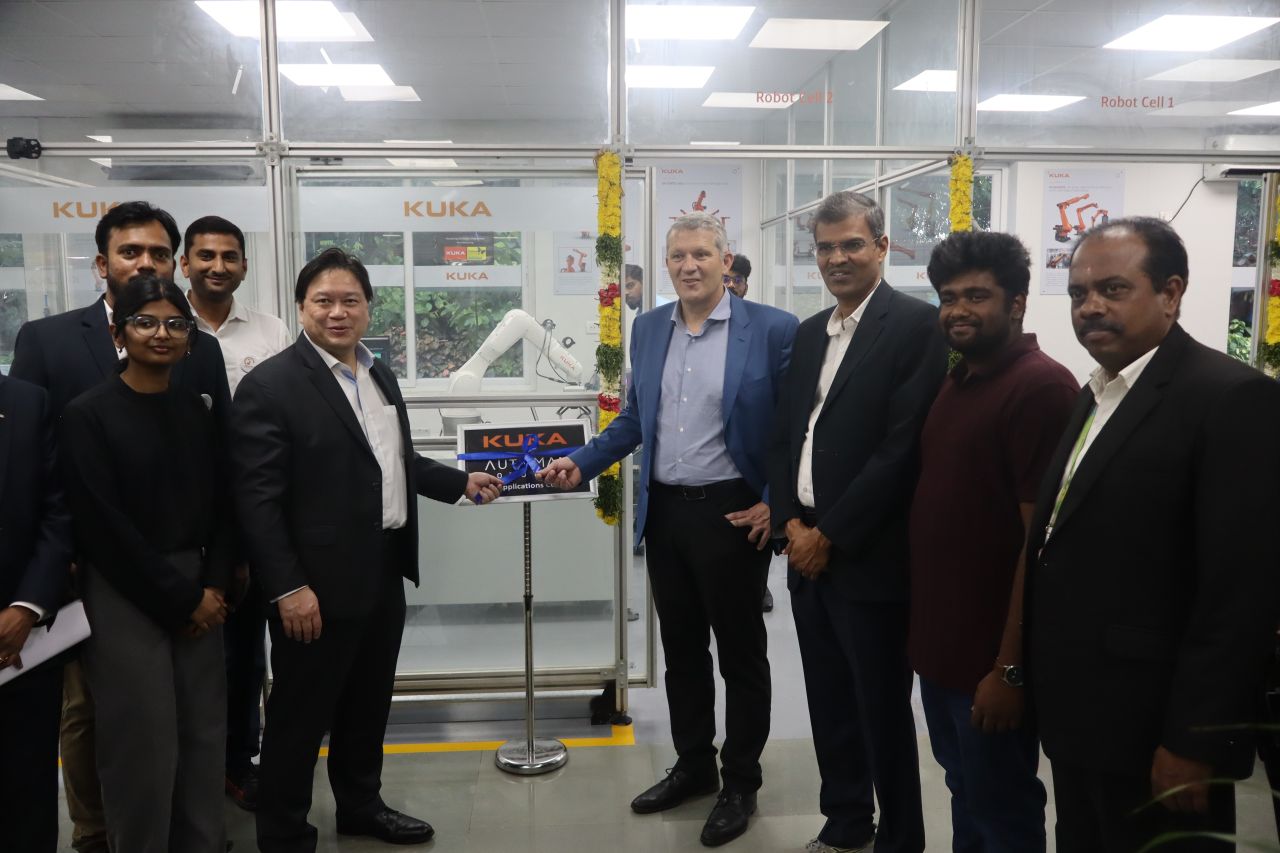
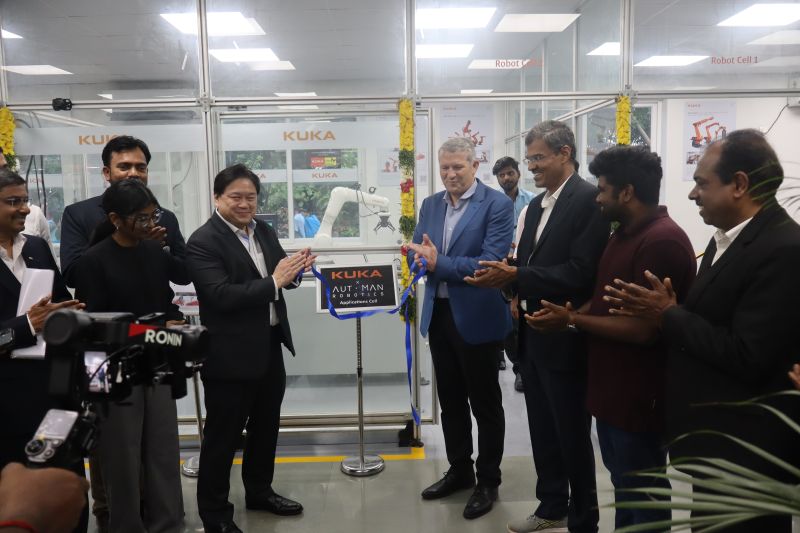
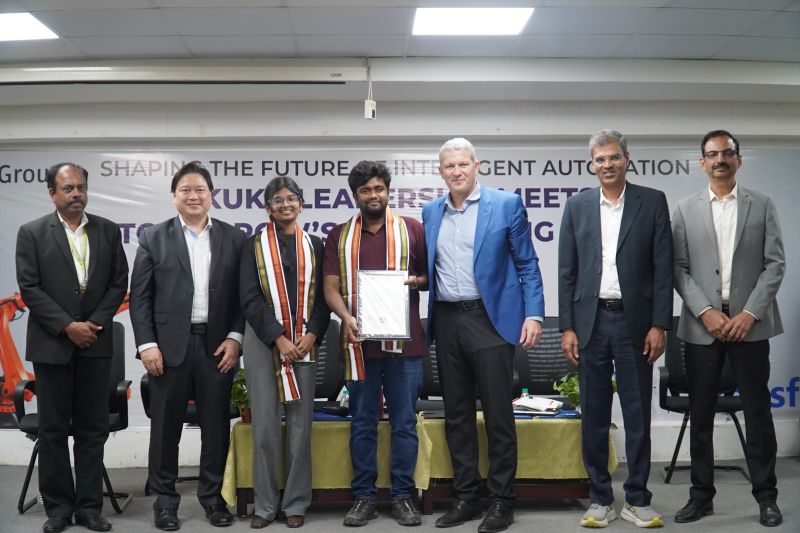
Some moments don’t just mark progress. They confirm trajectory. On 19 March 2026, AUTMAN was granted its own Application Cell inside KUKA’s lab at Chennai Institute of Technology...
Read Full Post on LinkedInRobots are trained in perfectly controlled simulations, but real factories are unpredictable. Discover how our adaptive system handles variations in geometry, material, and positioning on the fly without task-specific training.
Read Full Post on LinkedIn